New construction
New Build Electrical Installation
Planning, trenching, rough-in, panels and final setup for new homes, shops and commercial buildings.
Chapter 01
Where the panel, the circuits and the trench go before the slab is poured
On a new build the electrical plan gets decided early, because some of it ends up underground or inside concrete. Pro Phase Electric works with builders, contractors and project managers on the planning side: where the service comes in, where the panel mounts, which circuits the building needs and how the conduit gets from one to the other. The scope runs from that first planning conversation all the way through final system setup, for new commercial and residential buildings alike.
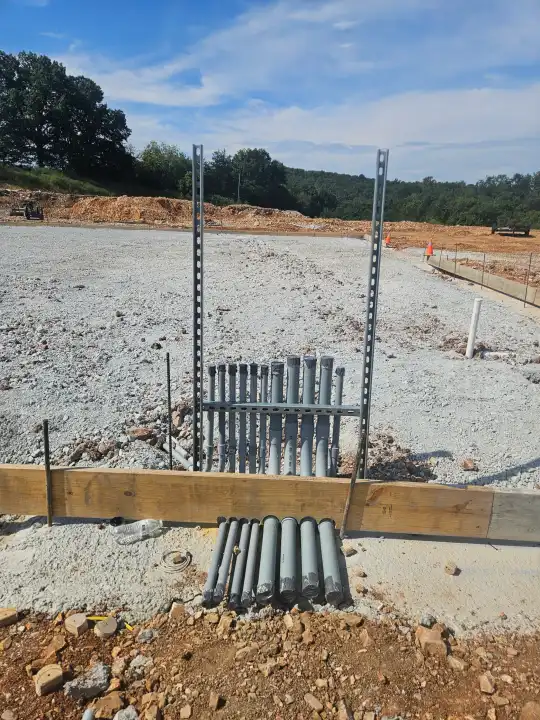
A slab changes the rules. Once concrete is poured, a missing conduit stub-up means cutting it back open, so the pipes that will feed a kitchen island, a shop panel or a row of overhead doors have to land in the right place the first time. The same thinking applies whether the job is a tract home in Springdale, a custom home near Fayetteville or a metal building in Lowell, and any mismatch with the plans is worth sorting out before the trench is closed.
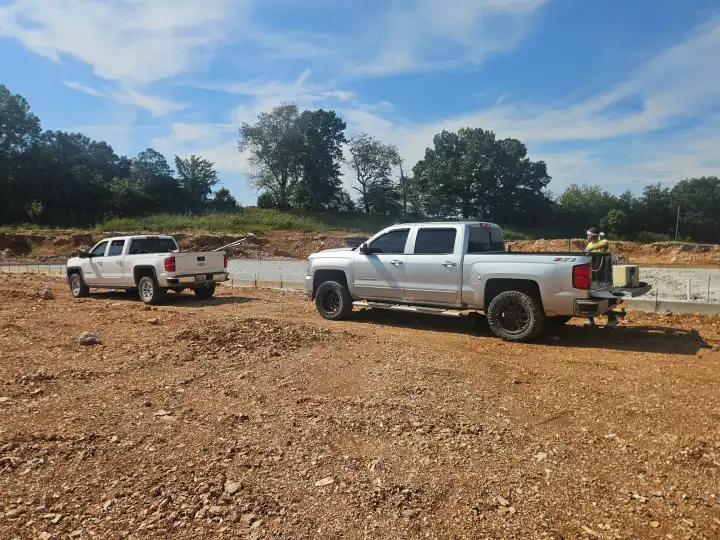
Work trucks parked on a new commercial pad during a Pro Phase Electric new build
Rough-in to final, from the trench to the first light switch
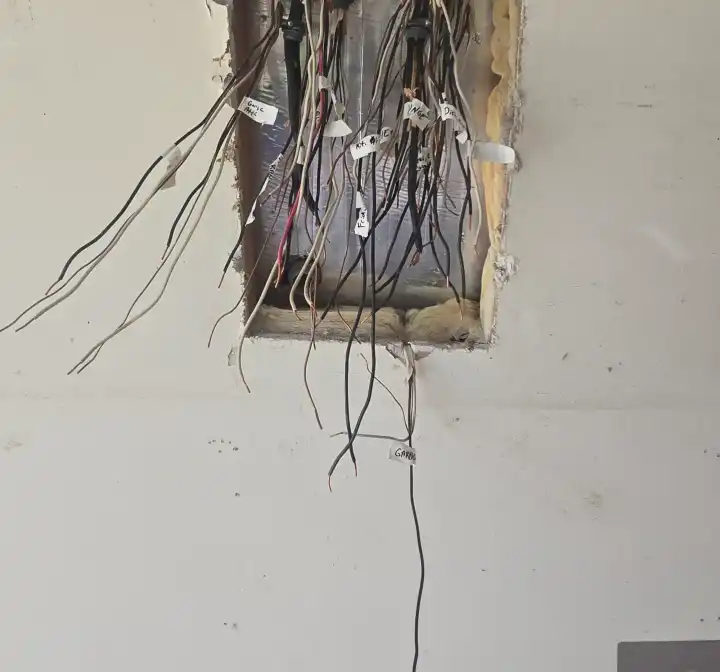
Rough-in is the stage where the wiring goes in while the walls are still open. Cable is pulled through the framing, boxes are set where the plan calls for them, and each circuit is tagged while it is easy to trace. Pro Phase Electric covers the whole sequence on a new build: rough-in wiring, panel installation, lighting, outlets and the final setup that gets the building powered up and working the way it was drawn.
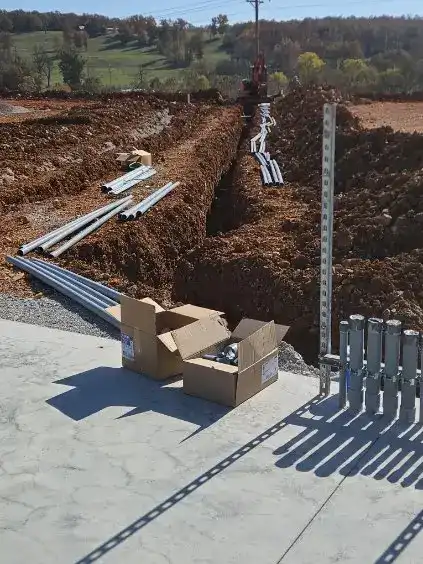
Their own job photos show the early part of that sequence: conduit stub-ups standing at a slab, trenches cut for pipe runs, and a rough-in box with its wires tagged before the finish goes on. It is the part of the job nobody sees once the walls are closed, so the photos matter. On a commercial building the same order of work applies at a larger scale, with a bigger panel, more circuits and lighting runs that have to be right before the ceiling goes up.
Chapter 03
Staying on the builder's schedule
A new build runs on a schedule, and electrical sits in the middle of it. The crews before need the trench and conduit done, and the drywall crew after needs the rough-in finished. Pro Phase Electric describes its own approach as clear communication and staying on schedule, with systems built to perform for years to come. Customers describe the communication part on smaller jobs too: Jennifer Vashkevich wrote that they were easy to schedule with, showed up when they said they would and communicated clearly throughout the process.
Builders, contractors and project managers can reach Presley at (479) 287-3650, Monday to Friday, 8 to 5, to talk through a building before the first trench is cut. Pro Phase Electric has worked with builders on everything from tract homes to custom designed homes, and the same electricians handle the small stuff afterwards, so a missed circuit or a dead outlet gets fixed by people who already know the building. Presley has been in the trade since 2006.
Kimberly Hutcheson, in her Google review: "He showed up on time, came fully prepared with all the equipment needed, and got right to work."
From our own job photos: the part you cannot see later
Three frames from jobs in progress. More of the finished work is on the portfolio page, and the same steps apply on a commercial build.